“To improve the integrated management of natural resources and sustainably restore the Sahel’s natural ecosystems in order to strengthen the resilience of vulnerable populations to climate change.” That was the overall objective of the “Rilgré” Project to Promote Agroecological Practices and Add Value to Agricultural Products. Specifically, the project aimed to:
- Sustainably restore degraded land for the benefit of communities;
- Prevent land degradation by adopting innovative agroecological practices adapted to the context of the project area;
- Highlight restored lands by developing inclusive and sustainable value chains (excluding NTFPs) that benefit local communities.
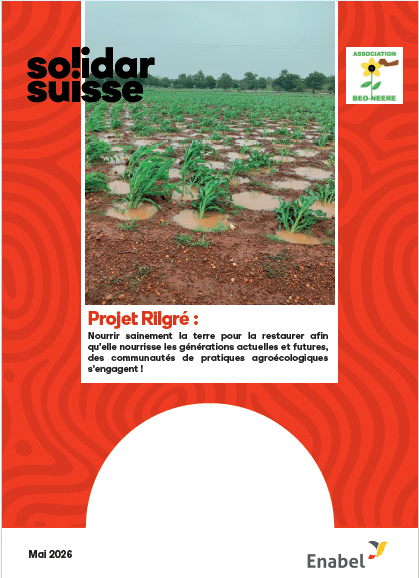
After three years of implementation, on May 21, 2026, the Rilgré project implementation team presented a progress report to stakeholders. On that occasion, a brochure summarizing the innovative approaches developed and the results achieved was presented.
Notable achievements include, among others:
- 1,162 ha of land reclaimed using mechanized reclamation with the Delfino plow;
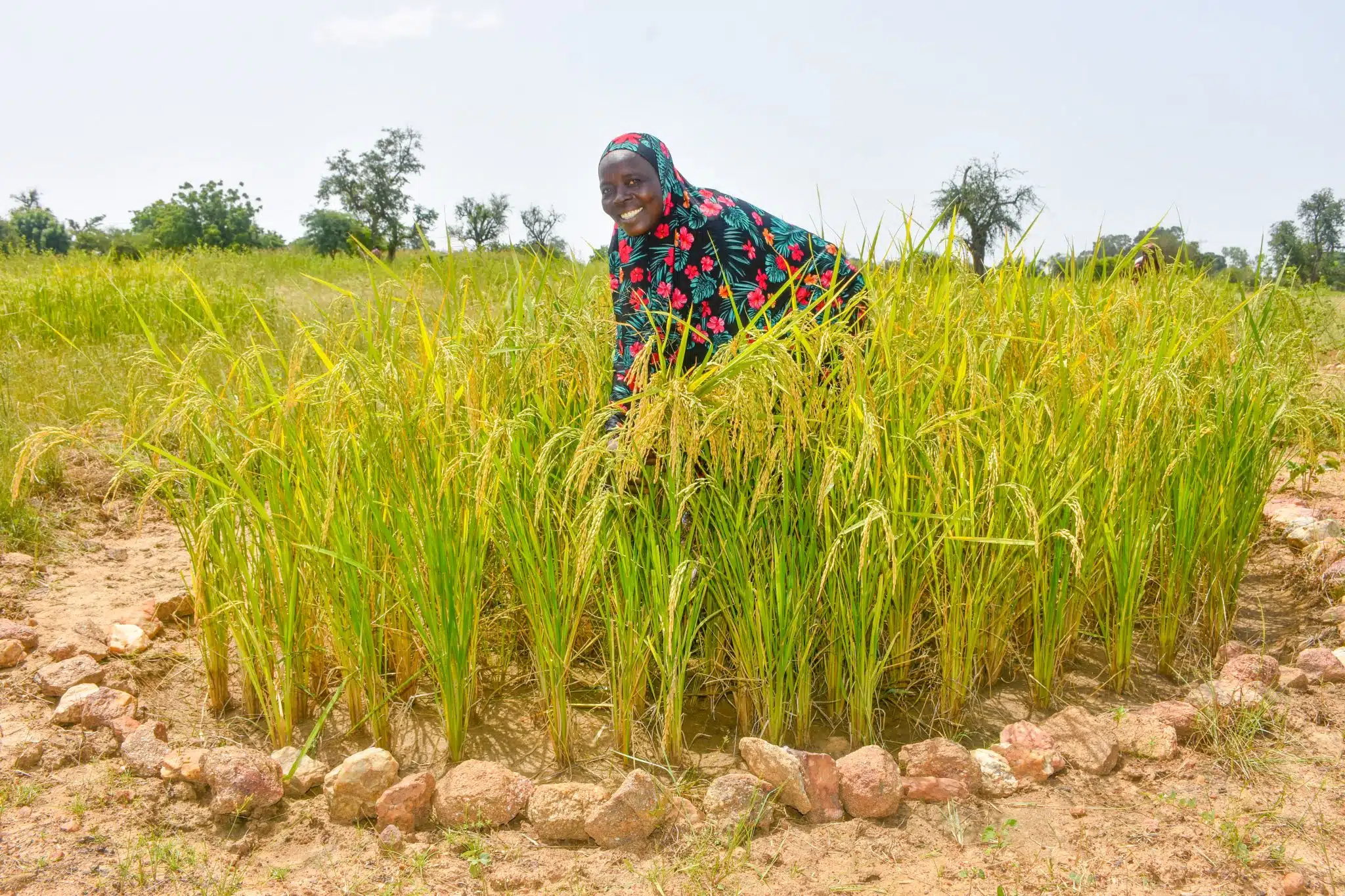
- 4,508 ha of land reclaimed using CES/DRS techniques—such as stone ridges, half-moon furrows, and zaï—implemented in accordance with the HIMO community-based approach;
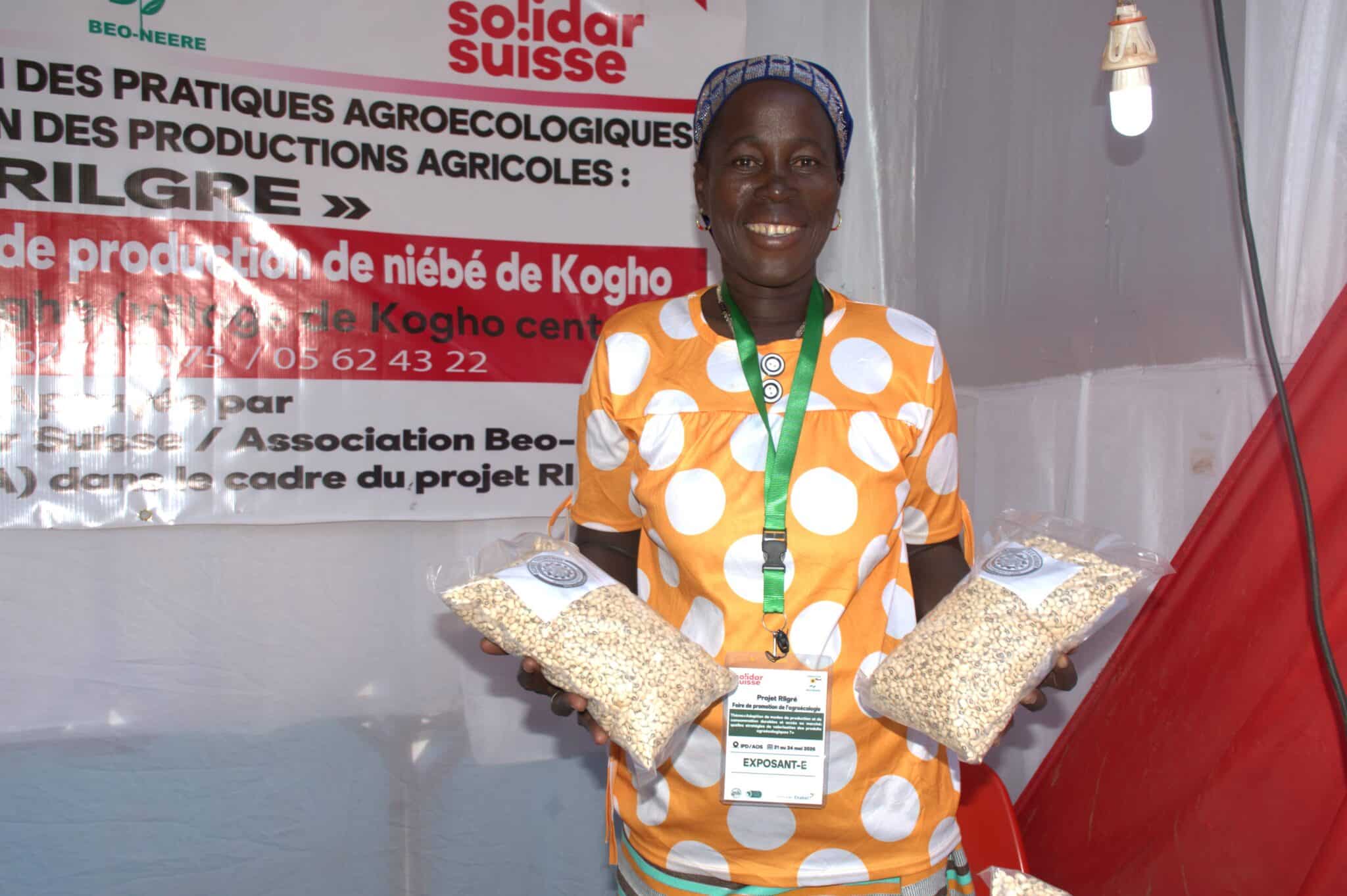
- More than 35 metric tons of bokashi produced by the bio-input SCOOPs and by farmers, demonstrating their ability to produce this biofertilizer independently;
- 2,000 farmers, members of 10 CoRi (Rilgré agroecological communities of practice), committed to preventing land degradation through the construction of CES/DRS structures;
- 52 Simplified Cooperative Societies (SCOOPS) were established or strengthened through equipment grants provided via a subsidy program.
As a reminder, the Rilgré project was led by the Solidar Suisse consortium and the Beo-Neere Agroecology Association (ABNA), along with its partner, the Wendkouni Association, in the regions of Oubri (municipalities of Absouya, Kogho, Meguet, and Salogo), Nakambé (the communes of Andemtenga, Kando, Koupéla, and Pouytenga), and Koulsé (the communes of Ziga and Boulsa) from July1, 2023, to June 30, 2026. It was funded by Enabel as part of its Sahel Climate Thematic Portfolio, Burkina Faso Component.
Read here the full brochure in PDF format (24 pages; 31.07 MB)
Click on the image below to view the brochure in interactive format.