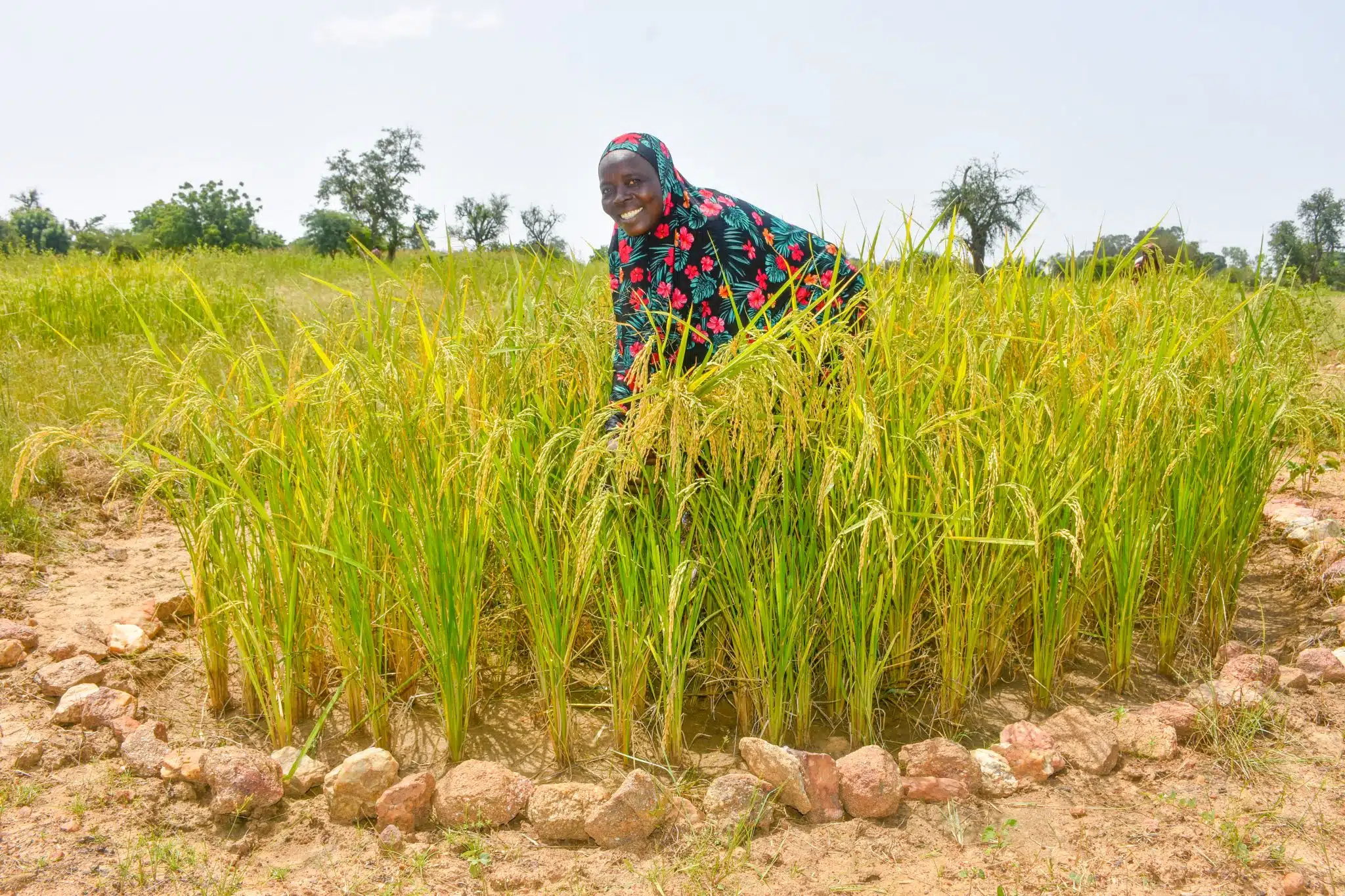
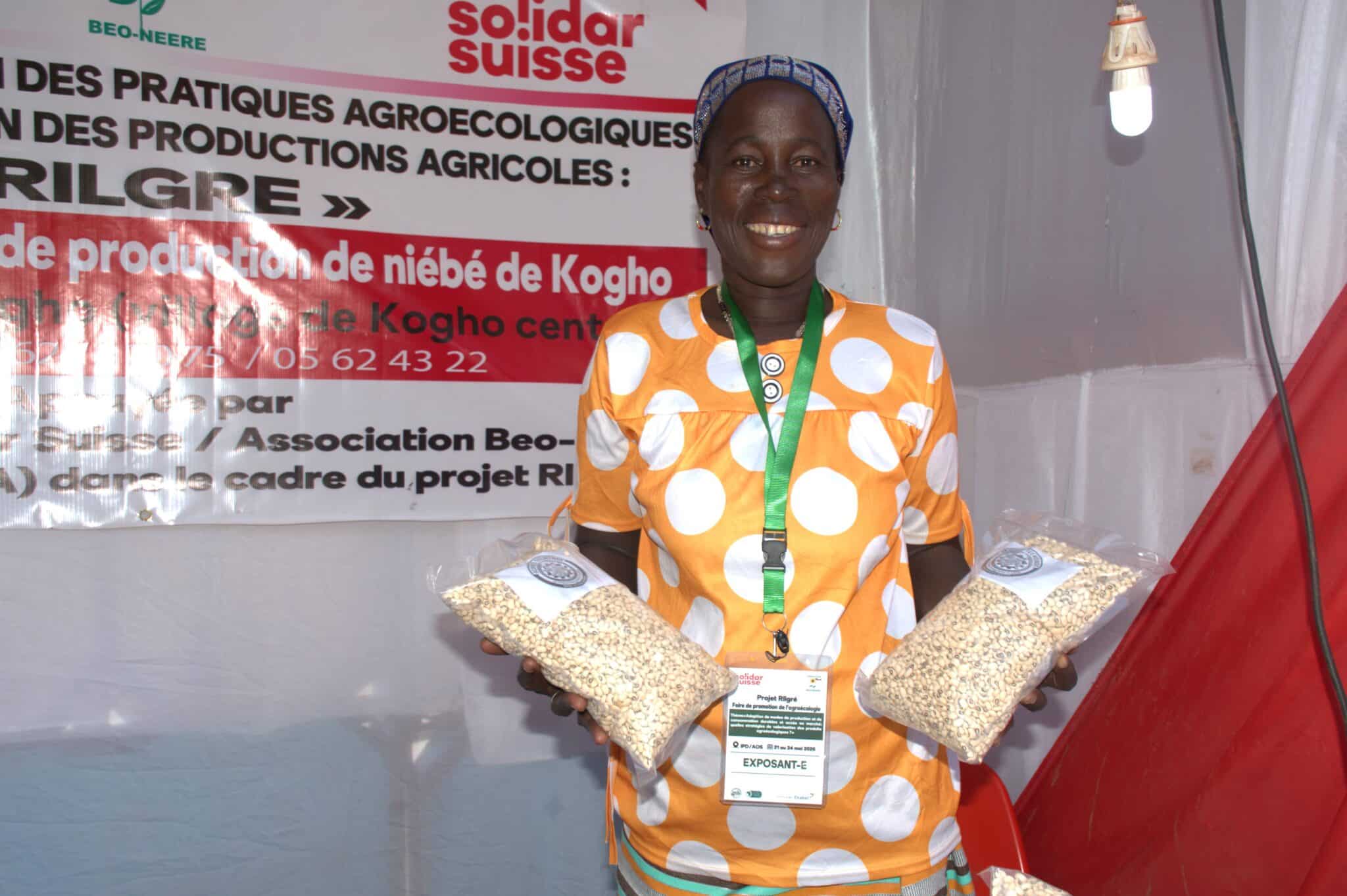
From November 18 to 22, 2024, five (05) training sessions for the selection, adaptation and multiplication of farmers’ seeds were held for the benefit of the technical nuclei of the “Rilgré” agroecological communities (CoRi) – networks of producers woven together on a communal scale – with a view to enabling them to conduct household awareness-raising sessions in 50 villages in the Centre-Est, Centre-Nord and Plateau-Central regions.

The aim of these training sessions was to promote farmers’ seeds by setting up living farmers’ seed huts, in order to guarantee sustainable access to quality seeds, adapted to the needs of small-scale producers and to current climatic challenges. They brought together a total of 50 members of the CoRi technical nuclei from 50 villages, i.e. one member per village. Each training session covered techniques for selecting, adapting and conserving farmers’ seeds, with practical case studies. The members of the CoRi technical cores who have been trained will report on the training sessions through household awareness-raising sessions in the villages.
The Rilgré project is being implemented by the Solidar Suisse consortium and the Association Beo-Neeré Agroécologie (ABNA) in partnership with the Wendkouni Association. Its overall aim is to improve the integrated management of natural resources and sustainably restore natural ecosystems in the Sahel, in order to strengthen the resilience of vulnerable populations in the face of climate change. It covers 13 communes in the Plateau-Central, Centre-Nord and Centre-Est regions. Set up by the project, the CoRi is a form of social organization adapted to the socio-cultural context of the target communes, with a view to guaranteeing the sustainability of the project’s results. At commune level, each CoRi comprises 200 members, including a 20-strong management committee and a 5-strong technical core responsible for providing local support to producers through social mobilization and the dissemination of agroecological techniques.
The Rilgré project is financed by the Kingdom of Belgium as part of the implementation of the Portefeuille Thématique Climat Sahel (PTCS)-volet Burkina Faso.